

steht für Polydesoxyribonukleotid. Es handelt sich um DNA-Fragmente, die aus der Samenflüssigkeit von Lachs oder Forelle gewonnen werden. In der INCI-Liste der Skincare steht meist Sodium DNA.
WISSEN · PDRN in K-Beauty: Was es in der Skincare wirklich kann und was nicht
WIRKSTOFFE ERKLÄRT
PDRN in K-Beauty: Was es in der Skincare wirklich kann und was nicht
5 Min Lesezeit · 15.August 2026
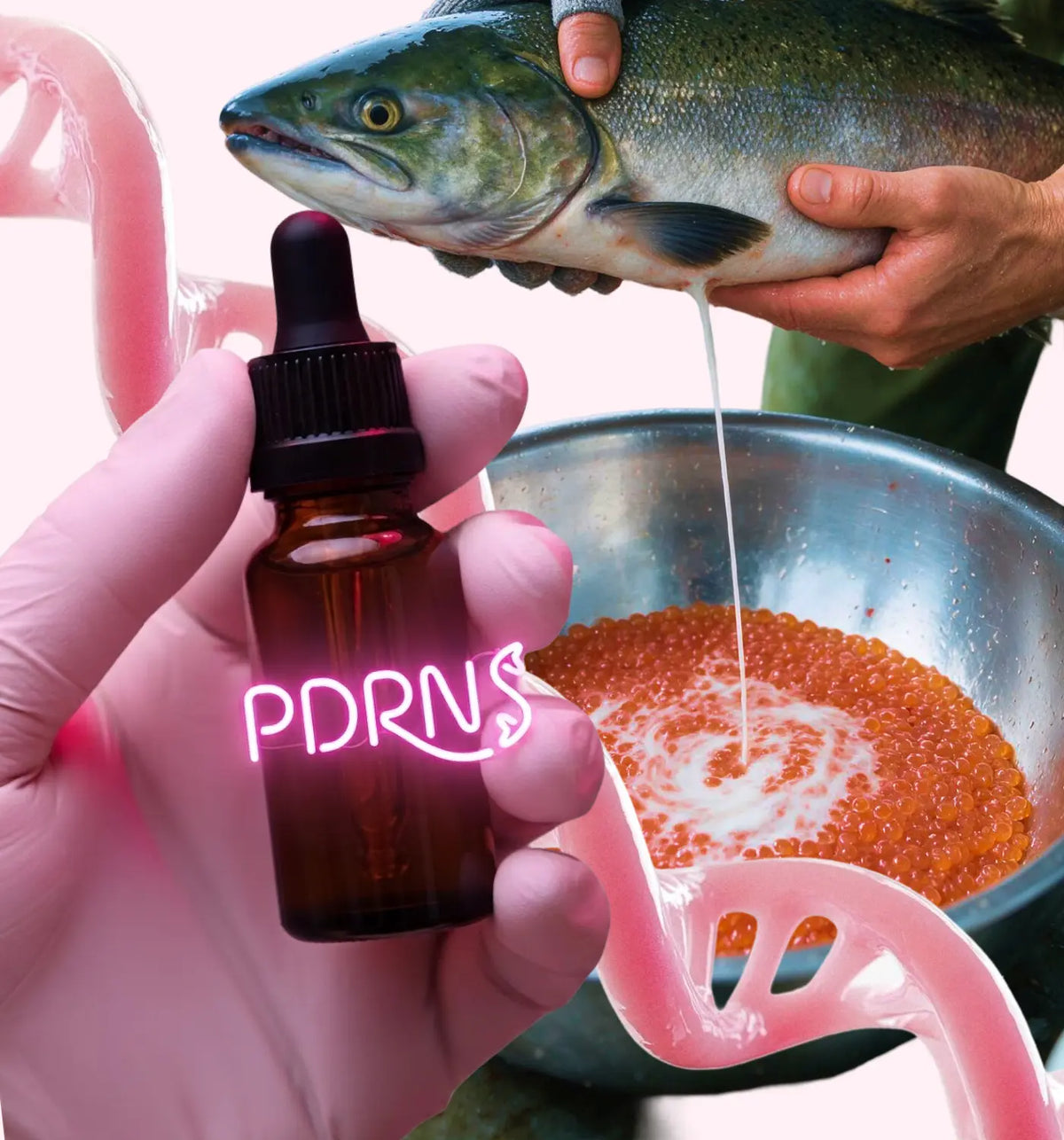
Du hast PDRN wahrscheinlich schon auf Social Media gesehen. PDRN soll den hauteigenen Reparaturprozess beschleunigen: mehr Kollagen und makellose Haut.
Die Frage ist: Wie viel davon ist Forschung und wie viel Marketing? Und gibt es Alternativen zum Inhaltsstoff aus Lachssperma?
What is PDRN? The Salmon Skincare Trend Explained.
Wenn du ausschließlich Skincare ohne tierische Inhaltsstoffe verwenden möchtest, hörst du am besten hier auf zu lesen und springst direkt zu unserem Abschnitt über pflanzliche Alternativen. Denn PDRN besteht aus DNA-Fragmenten, die hauptsächlich aus den Spermienzellen von Lachs oder Forelle gewonnen werden.
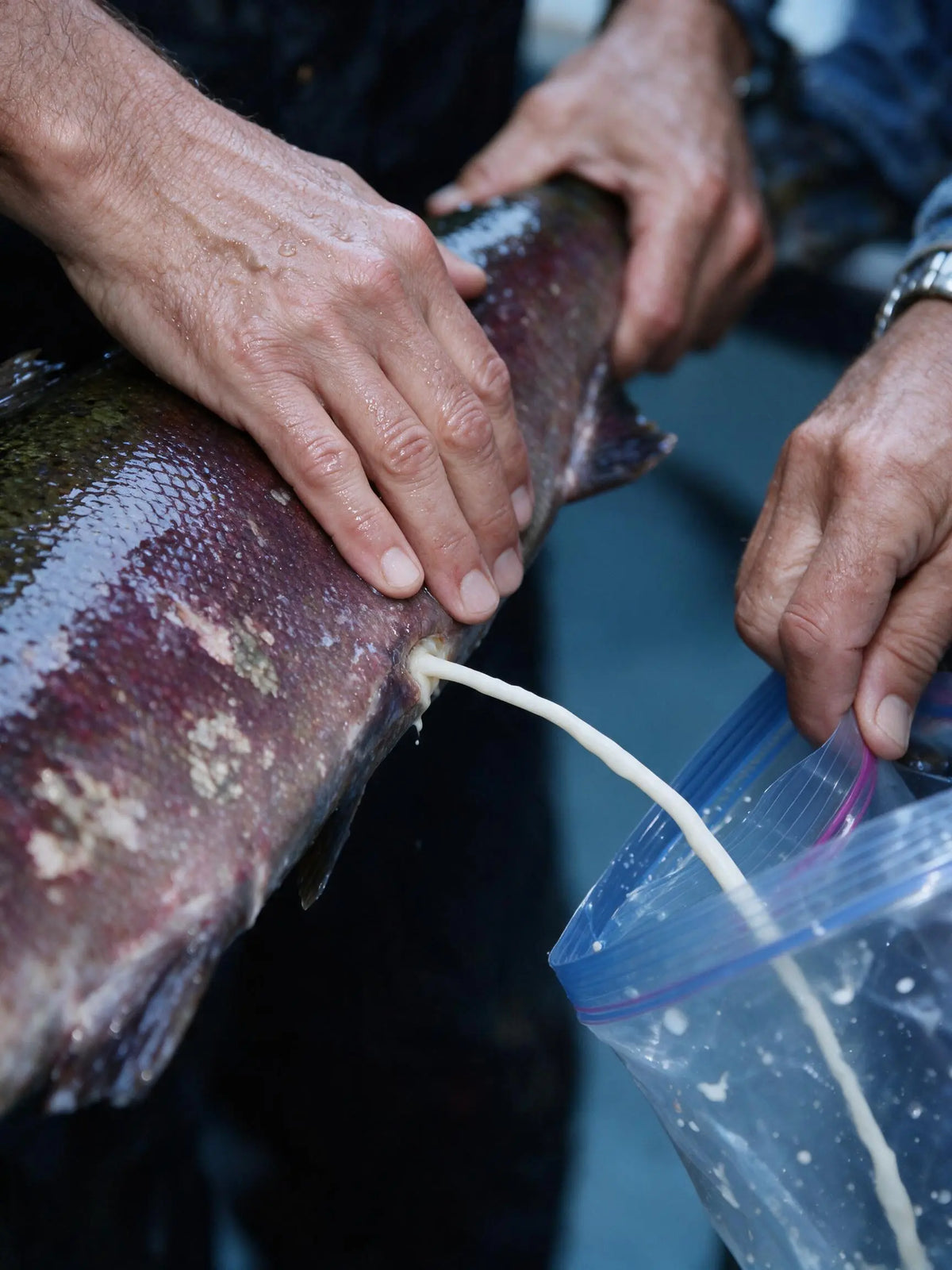
PDRN
Was ist es:
Desoxyribonukleotid-Ketten sind, der eigentliche Wirkstoff.
Proteine und Peptide werden aus dem Rohstoff entfernt, damit das Immunsystem nicht darauf reagiert.
Was auf der Inhaltsstoffliste als „Sodium DNA" steht, sagt nichts über Kettenlänge, Reinheit oder Menge aus. Oder darüber, wie genau der Wirkstoff hergestellt wurde.
*KI-generierte Illustration der Gewinnung von Lachsmilch.
Woher kommt der Hype um diesen Inhaltsstoff?
Der Anfang liegt in Italien, nicht in Korea. Das erste PDRN war ein verschreibungspflichtiges Medikament, hergestellt aus menschlicher Plazenta und zugelassen zur Behandlung von Narben und Hautatrophie. Später wechselte die Quelle zu Lachs. Um 2014 griff Korea den Wirkstoff als Injektion auf, und erst danach fand PDRN seinen Weg in Cremes, Seren und Pulver.
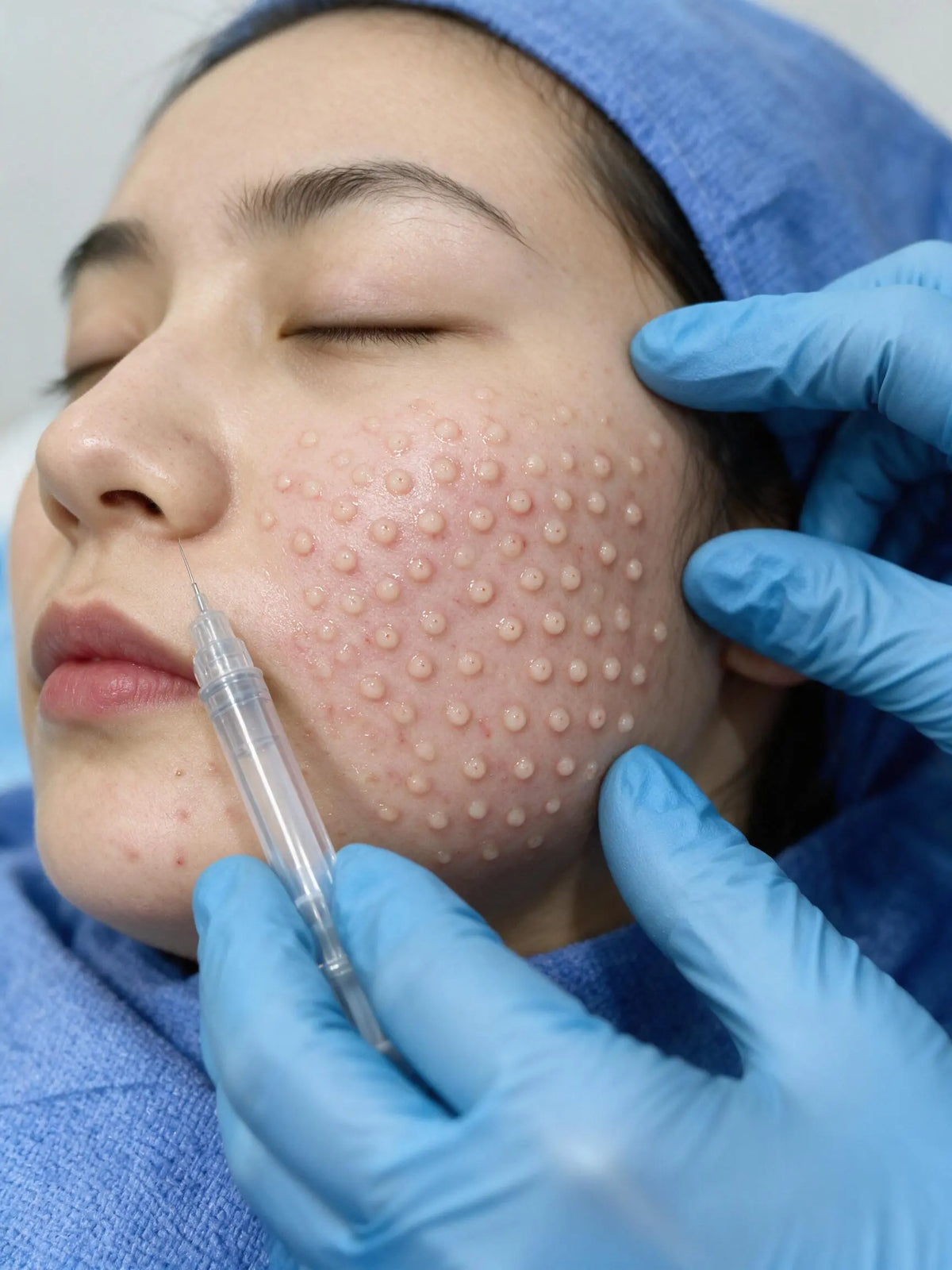
Warum funktioniert es in unserer Hautpflege nicht?
Als Faustregel gilt: Ein Molekül muss unter 500 Dalton liegen, um die äußerste Schicht deiner Haut (Hornhaut) aus eigener Kraft zu durchdringen. PDRN liegt zwischen 50.000 und 1.500.000 Dalton. Das ist 100- bis 3.000-mal zu groß.
Wenn du also ein PDRN-Serum aufträgst, bleibt es an der Oberfläche. Das Signal kommt höchstwahrscheinlich nicht an.
Wenn Lachssperma in meiner Skincare nicht wirkt, was dann?
Jeder Inhaltsstoff auf dieser Seite muss dieselbe Frage beantworten, an der PDRN gescheitert ist: Erreicht er den Ort, an dem er wirken soll?
Es gibt nur zwei ehrliche Wege, diese Prüfung zu bestehen. Entweder ist das Molekül klein genug, um durchzukommen. Oder es muss gar nicht erst durchkommen, weil seine Aufgabe an der Hautoberfläche liegt.
1. Centella Asiatica (Blütenextrakt)
Centella Asiatica Extract. Der berühmteste K-Beauty-Inhaltsstoff für gereizte Haut ist selbst eine Pflanze. Auch bekannt als Cica, Tigergras oder Gotu Kola.
Fun Fact: Er ist gar nicht koreanisch. Er stammt aus Süd- und Südostasien und hat eine lange Geschichte im Ayurveda und in der traditionellen chinesischen Medizin. In Frankreich ist er seit Jahrzehnten die Basis eines Wundheilungspräparats.
2. Nopal-Extrakt (Extrakt aus dem Kaktus)
Opuntia Ficus-Indica Stem Extract ist der Inhaltsstoff, dessen Studien an gesunder Haut durchgeführt wurden. Er bindet Wasser und legt einen feinen Film auf die Haut, der die hauteigene Wasserbindung stärkt. Genau das ist der vielversprechende Mechanismus, der nicht in die Haut eindringen muss, um zu wirken.
Er wirkt dort, wo er landet: auf der Barriere.
3. Tepezcohuite (Rindenextrakt eines Baumes)
Zu guter Letzt: Mimosa Tenuiflora Bark Extract. Wie PDRN stammt er aus der Humanmedizin, und zwar aus der Behandlung offener Wunden: In kontrollierten Studien half ein Gel aus dem Rindenextrakt, Unterschenkelgeschwüre schneller schließen.
Seine wichtigsten Bestandteile sind kondensierte Tannine (Gerbstoffe). Sie wirken adstringierend und filmbildend, das heißt an der Oberfläche, nicht darunter. Es sind große Moleküle, und sie müssen deine Hautbarriere gar nicht erst durchdringen, um ihre Aufgabe zu erfüllen. Daneben stehen Arabinogalaktane, langkettige Zucker, für die in der Zellkultur eine Stimulation der Fibroblasten beschrieben wurde.
Erfahren Sie mehr über die Pflanzenextrakte.

Opuntia Ficus-Indica Stem Extract
Extrakt aus Berberfeigenstängeln
Extrakt aus Berberfeigenstängeln

Mimosa Tenuiflora Bark Extract
Tepezcohuite-Rindenextrakt
Tepezcohuite-Rindenextrakt

Aloe Barbadensis Leaf Extract
Aloe-Vera-Blattextrakt
Aloe-Vera-Blattextrakt

Opuntia Ficus-Indica Fruit Extract
Feigenkaktus-Fruchtextrakt
Feigenkaktus-Fruchtextrakt

Agave Tequilana Stem Extract
Agavenstammextrakt
Agavenstammextrakt

Pachyrhisus Erosus Root Extract
Jícama-Wurzelextrakt
Jícama-Wurzelextrakt

Mimosa Tenuiflora Bark Powder
Tepezcohuite-Rindenpulver
Tepezcohuite-Rindenpulver

Calendula Officinalis Flower Extract
Ringelblumenblütenextrakt
Ringelblumenblütenextrakt
Die Pflanzenkombination, die deinen Glow verstärkt
Warum eine Kombination verschiedener Pflanzenextrakte Ihrer Haut am besten hilft
Reife Haut verliert an zwei Fronten gleichzeitig. Sie hält weniger Wasser, und das Wasser, das sie hat, entweicht schneller. Zwei verschiedene Probleme, für die wir jeweils andere Pflanzen einsetzen.
Kaktus und Aloe halten das Wasser. Sie binden es in den oberen Hautschichten und hinterlassen einen feinen Film, der die Verdunstung verlangsamt. Das gelingt ihnen an der Seite von Feuchthaltemitteln wie pflanzlichem Glycerin und natürlicher Hyaluronsäure besser als allein, weshalb sie in unseren Formulierungen nie für sich stehen. Kaktusfeigen-Fruchtextrakt wirkt in derselben Schicht und bringt zusätzlich Antioxidantien und Betalaine mit.
Tepezcohuite setzt darauf auf. Seine kondensierten Tannine binden sich an Proteine in der äußersten Schicht und ziehen sie zusammen, sodass sich die Oberfläche straffer anfühlt und ebenmäßiger aussieht.
Und genau deshalb brauchen diese Pflanzenextrakte einander, um ihr volles Potenzial zu entfalten. Tannine straffen, können die Haut für sich genommen aber spannen lassen. Wasserbindende Zucker und Hyaluronsäure tun das Gegenteil. Gemeinsam gleicht jeder die Schwäche des anderen aus und hilft der Haut, sich zu regenerieren und prall und gesund auszusehen.
Das ist die Formulierungslogik hinter unseren Bestsellern:
Routine bundle
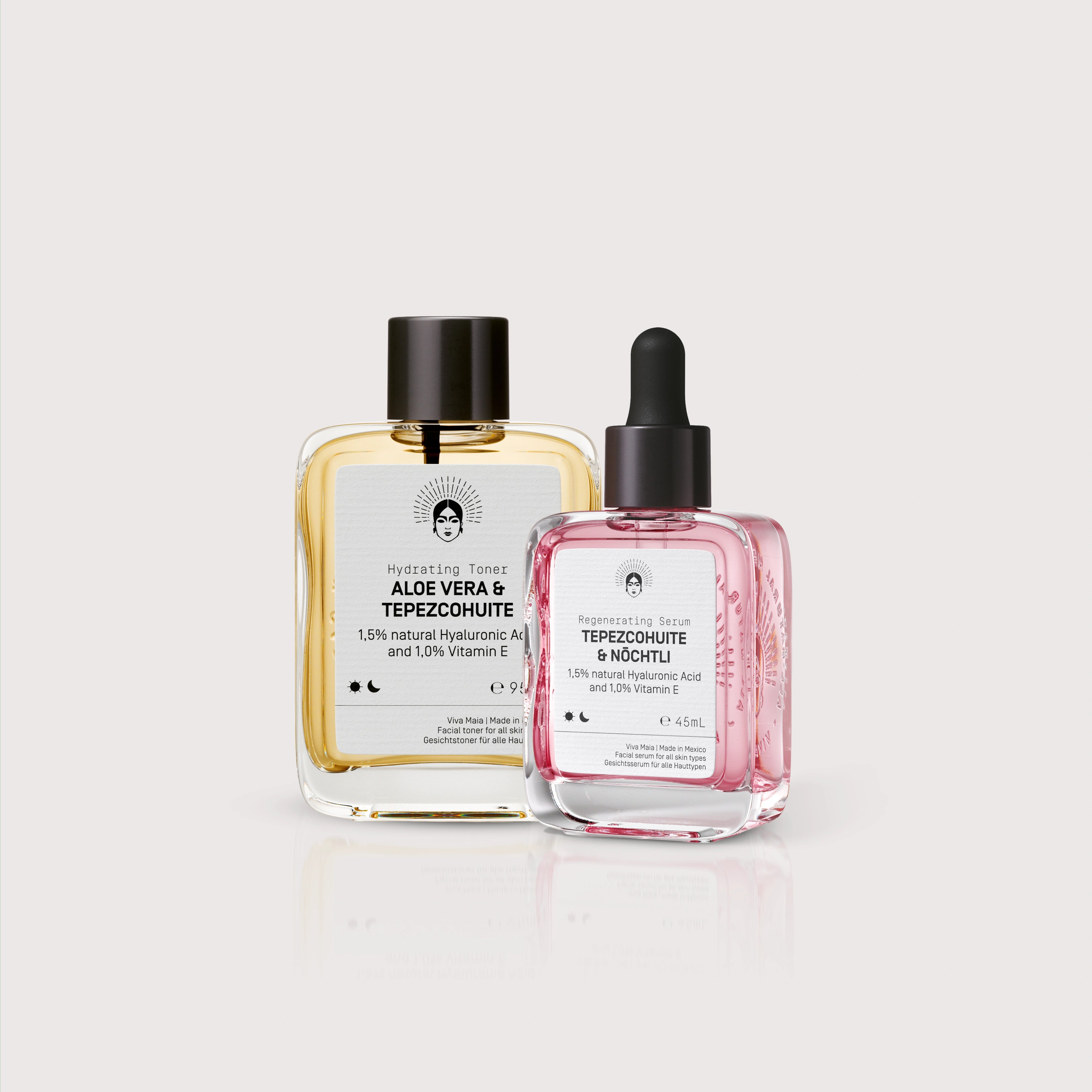

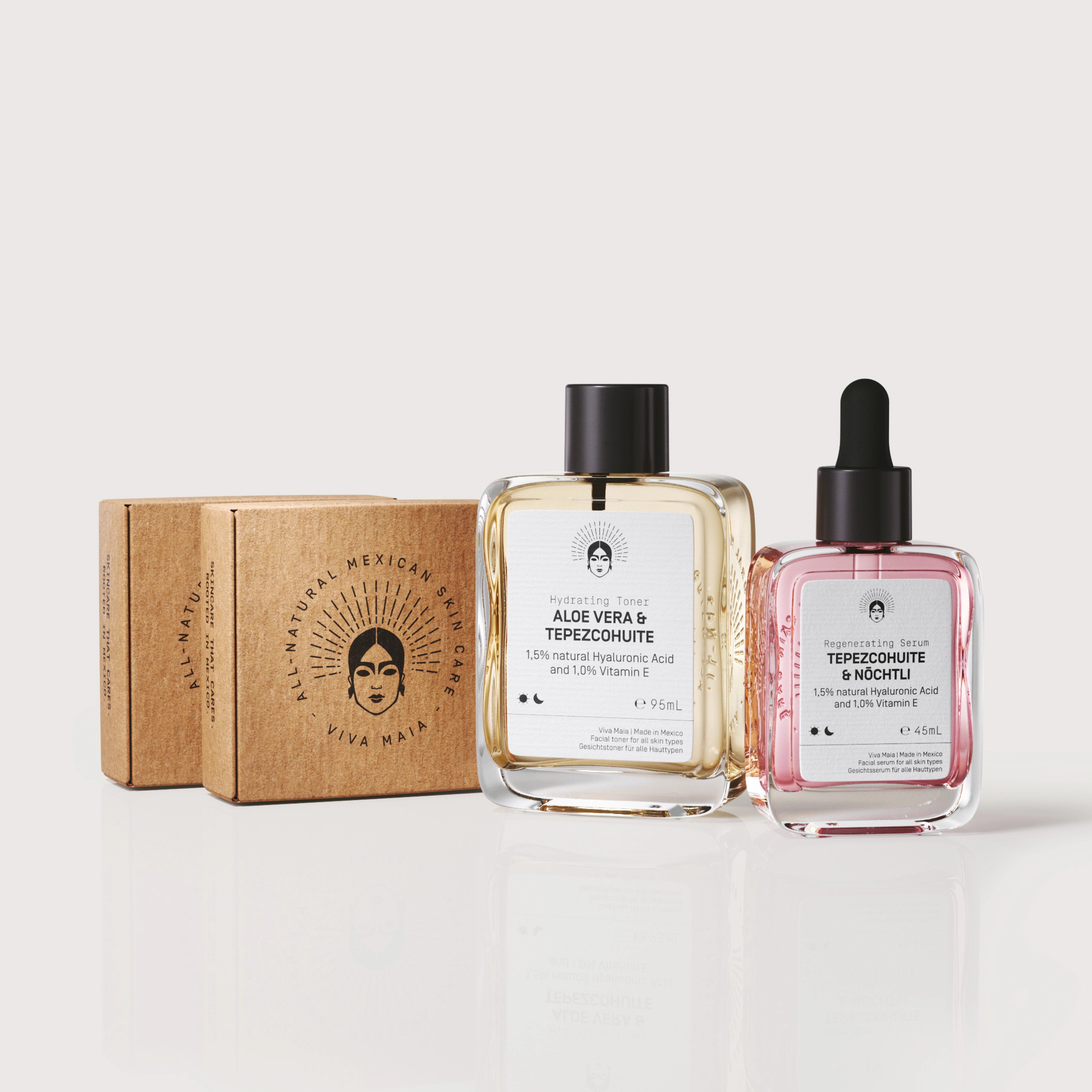
Skin Refining Duo - Tepezcohuite
AngebotCHF 64.00
Regulärer PreisCHF 72.00
Step 4 + 5: Tone & Treat • 2 Produkte
Toner
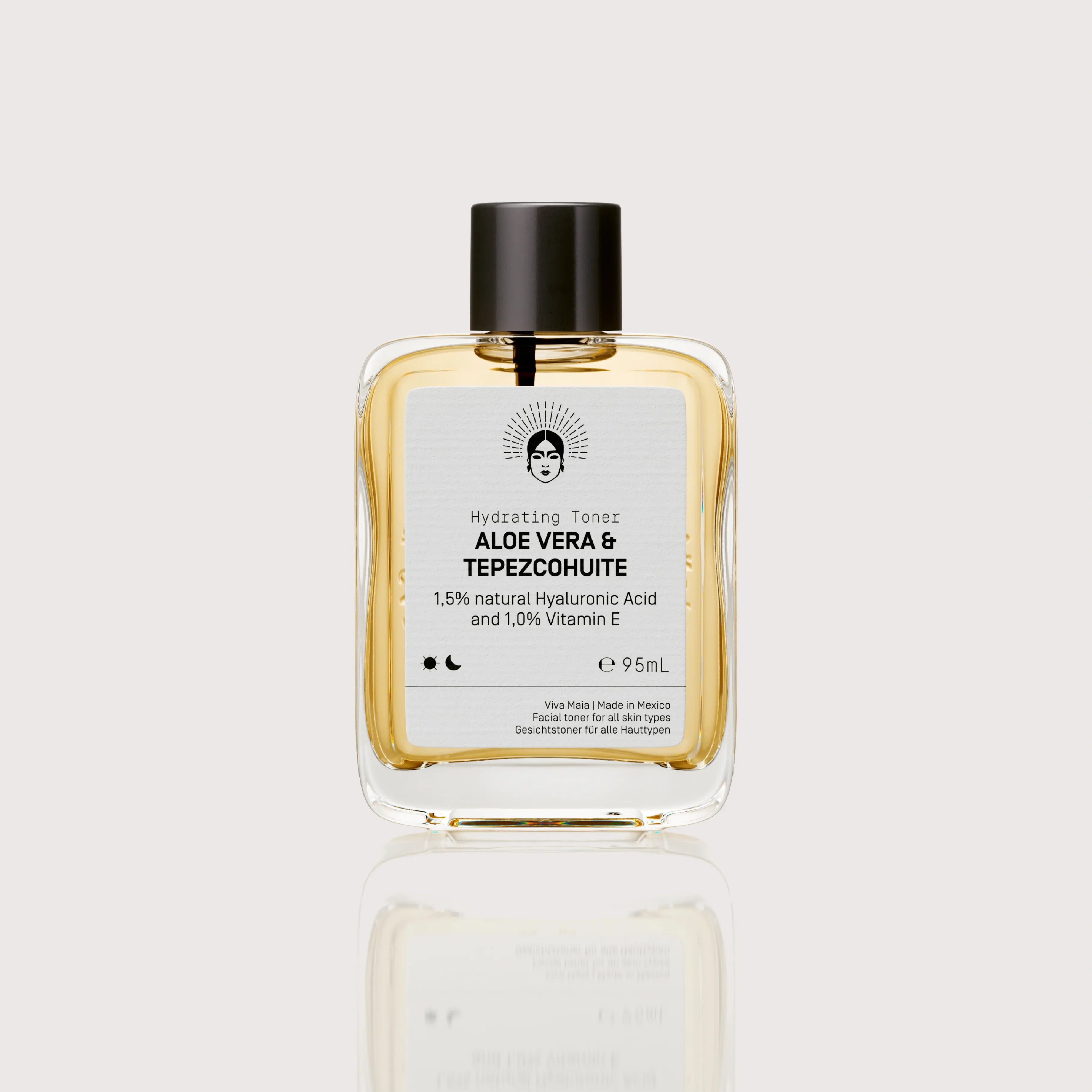
Hydrating Toner - Aloe Vera & Tepezcohuite
AngebotCHF 24.00
Step 04: Tone • 95mL
Routine bundle

Skin Refining Routine
Angebotab CHF 97.00
Regulärer PreisCHF 110.00
3/4-Schritte • Steps 4, 5, 6/7 •3/4 Produkte
Special bundle
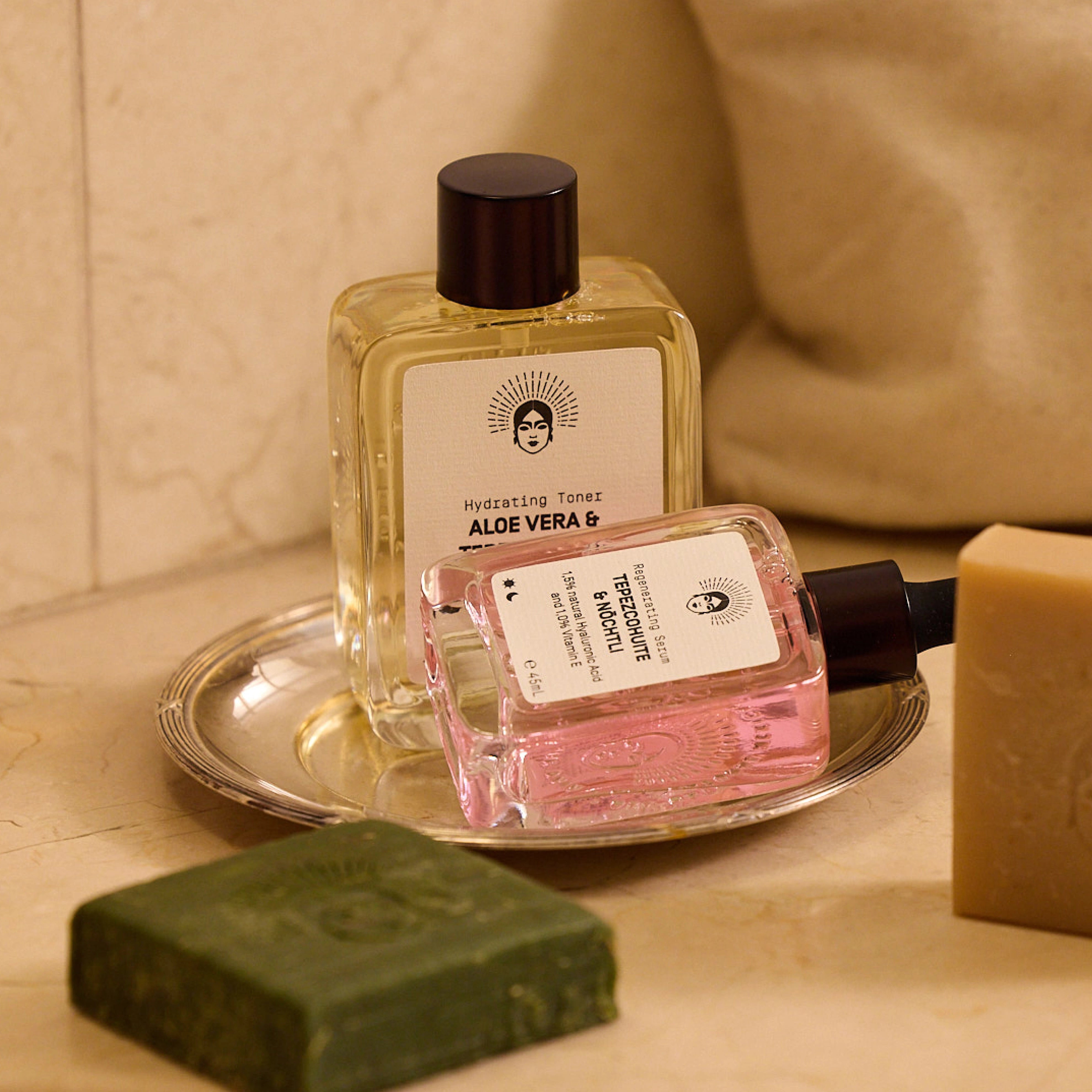
Mexican Skincare Bestseller
Angebotab CHF 96.00
Regulärer PreisCHF 110.00
4 Step Skincare Routine (Step 1, 2, 4, 5)
Routine bundle

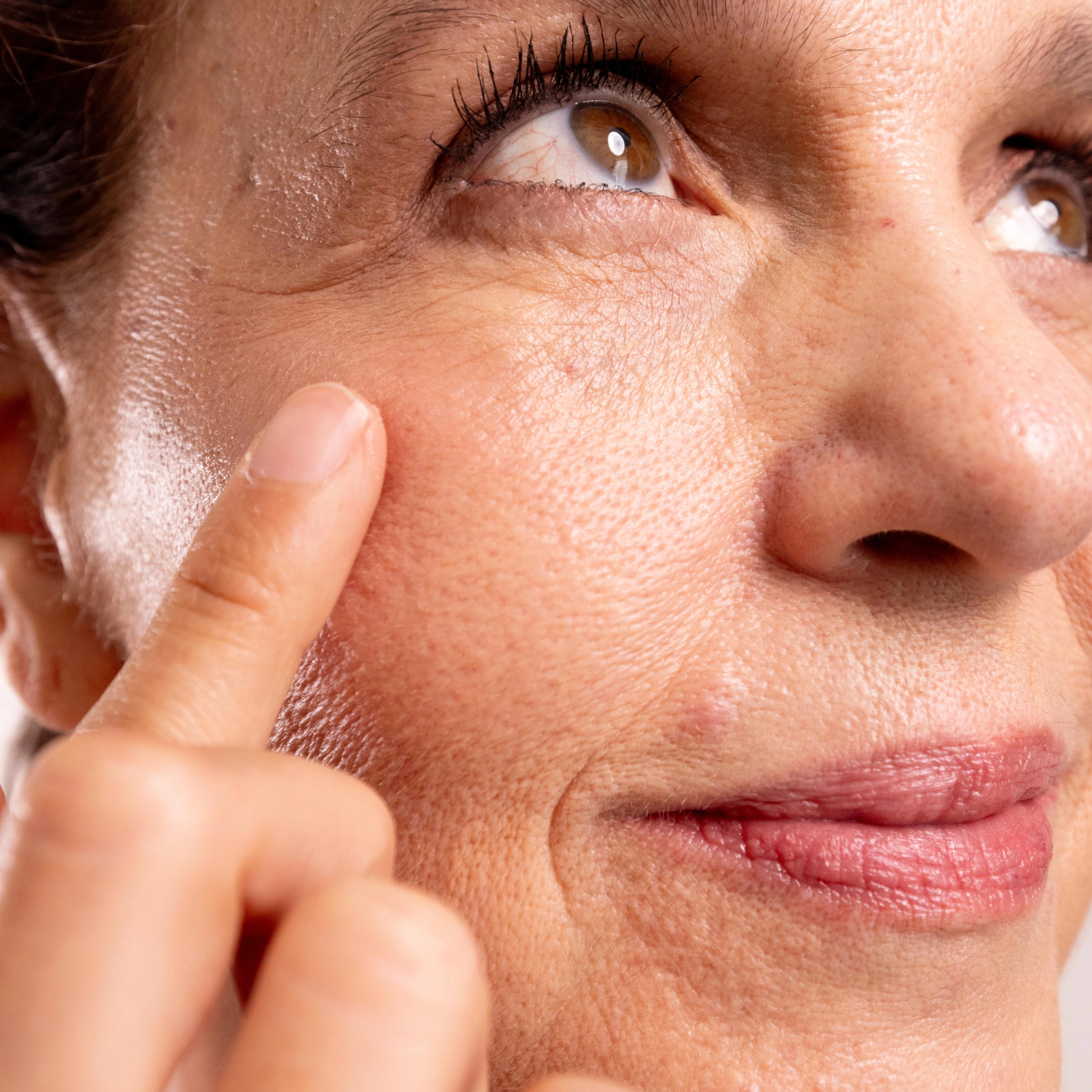
Harmony Routine
AngebotCHF 127.00
Regulärer PreisCHF 148.00
Steps 01→02 & 04→06 • 5 items


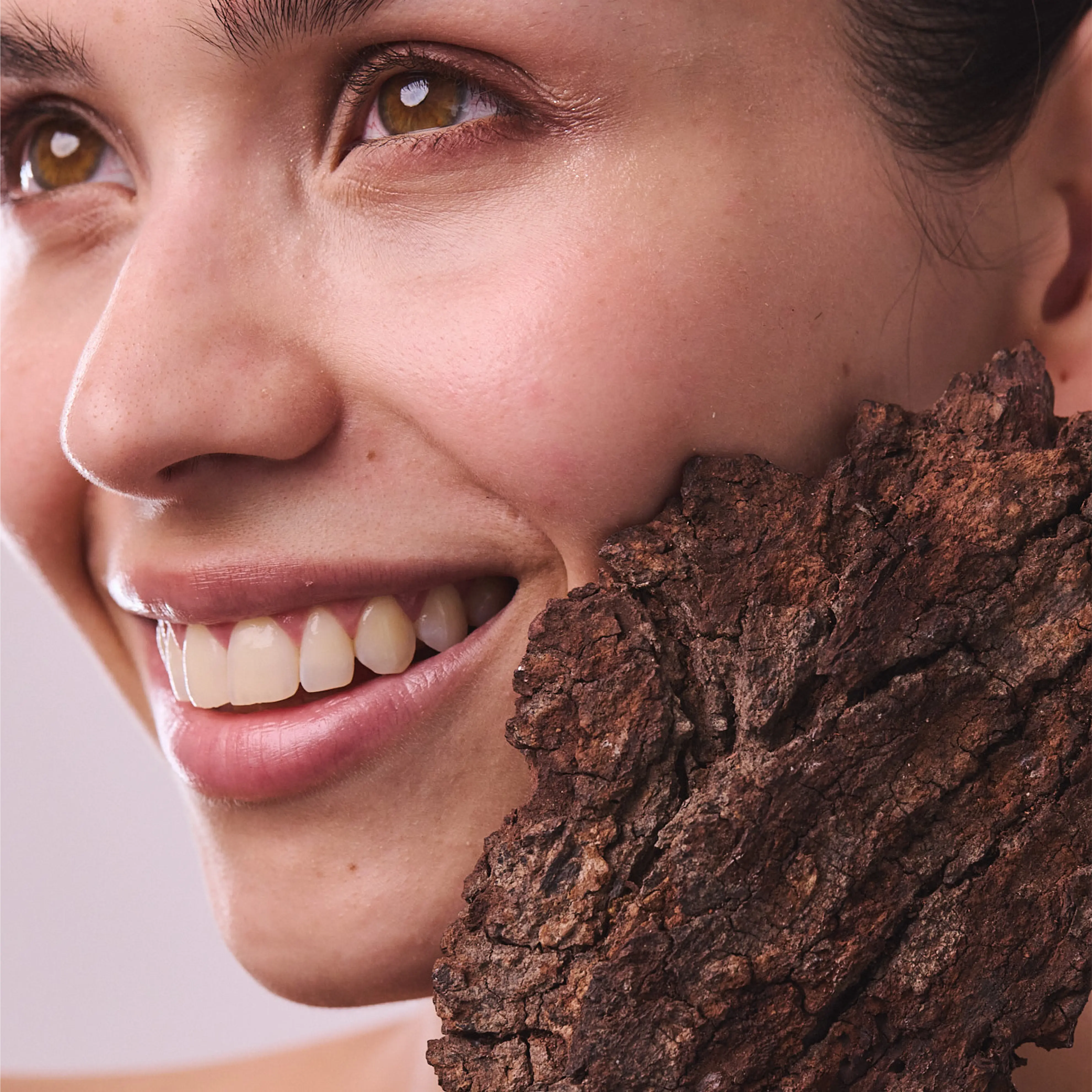
Regenerating Serum - Tepezcohuite & Nōchtli
Angebotab CHF 27.00
(CHF 106.67/100mL)
Step 05: Treat • 45mL
Referenzen
Quellen in der Reihenfolge ihrer Erwähnung im Artikel.
Studien und Referenzen
Sources are listed in the order the claims appear in the article. Numbers correspond to the superscript markers in the text.
1. Composition and origin of PDRN. Marques C, Porcello A, Cerrano M, Hadjab F, Chemali M, Lourenço K, Hadjab B, Raffoul W, Applegate LA, Laurent AE. From polydeoxyribonucleotides (PDRNs) to polynucleotides (PNs): bridging the gap between scientific definitions, molecular insights, and clinical applications of multifunctional biomolecules. Biomolecules. 2025;15(1):148. doi:10.3390/biom15010148 Narrative review. Describes PDRN as DNA fragments obtained from salmon and trout milt and purified to remove proteins, peptides and lipids.
2. Pharmaceutical origin of PDRN. Tonello G, Daglio M, Zaccarelli N, Sottofattori E, Mazzei M, Balbi A. Characterization and quantitation of the active polynucleotide fraction (PDRN) from human placenta, a tissue repair stimulating agent. Journal of Pharmaceutical and Biomedical Analysis. 1996;14(11):1555–1560. PMID:8877863 Analytical characterisation of the human-placenta-derived polynucleotide fraction used in Placentex (Mastelli, Sanremo, Italy; authorised 1994 for dystrophic and ulcerative connective-tissue disorders). The subsequent change of raw material to salmon and trout milt is documented in reference 1.
3. Introduction of injectable polynucleotides in Korea. Arora G. Polynucleotides and polydeoxyribonucleotides in dermatology: a narrative review. Journal of Cutaneous and Aesthetic Surgery. 2025;19(1):17–28. doi:10.25259/JCAS_65_2025 The 2014 date derives from a single unreferenced statement in this review. No regulatory or manufacturer documentation confirming it was identified.
4. Mechanism of action. Squadrito F, Bitto A, Irrera N, Pizzino G, Pallio G, Minutoli L, Altavilla D. Pharmacological activity and clinical use of PDRN. Frontiers in Pharmacology. 2017;8:224. doi:10.3389/fphar.2017.00224 (corrigendum 2022). PMID:28491036 PDRN acts principally through the adenosine A2A receptor. Fibroblast proliferation in culture is abolished by an A2A antagonist, and VEGF-mediated angiogenesis is demonstrated in a diabetic wound model. Evidence is in vitro and in animal models; effects on collagen and elastin in human skin are inferred rather than measured.
5. Route of administration in the clinical evidence base. Lampridou S, Bassett S, Cavallini M, Christopoulos G. The effectiveness of polynucleotides in esthetic medicine: a systematic review. Journal of Cosmetic Dermatology. 2025;24(2):e16721. doi:10.1111/jocd.16721. PMID:39645667 Systematic review of polynucleotide use in aesthetic medicine. The included trials use intradermal injection and are small and methodologically heterogeneous. Qualitative synthesis; no pooled effect estimates.
6. Molecular size limit for percutaneous absorption. Bos JD, Meinardi MMHM. The 500 Dalton rule for the skin penetration of chemical compounds and drugs. Experimental Dermatology. 2000;9(3):165–169. doi:10.1034/j.1600-0625.2000.009003165.x. PMID:10839713 Establishes the widely applied heuristic that compounds above approximately 500 Da do not passively cross intact stratum corneum. Theoretical analysis rather than an experimental study.
7. Molecular weight of PDRN. See references 1 and 3. Both report a range of approximately 50 to 1,500 kDa. The figure is repeated across reviews rather than traced to a single original determination and should be read as a working convention.
8. Centella asiatica: botanical origin, traditional use and pharmaceutical application. European Medicines Agency, Committee on Herbal Medicinal Products. Assessment report on Centella asiatica (L.) Urb., herba. EMA/HMPC/489140/2020, Rev. 1. Amsterdam: EMA; adopted 30 March 2022. Regulatory assessment documenting the species' South and Southeast Asian distribution, approximately two millennia of use in traditional Chinese medicine, its Ayurvedic use as mandukaparni, and Madecassol, a titrated Centella extract dressing authorised in France since 1976 for granulating wounds and cutaneous ulcers. Supporting mechanistic data: Maquart FX, Bellon G, Gillery P, Wegrowski Y, Borel JP. Stimulation of collagen synthesis in fibroblast cultures by a triterpene extracted from Centella asiatica. Connective Tissue Research. 1990;24(2):107–120. doi:10.3109/03008209009152427. In vitro, cultured human fibroblasts.
9. Opuntia ficus-indica stem extract on healthy skin. de Brito Damasceno GA, da Costa Silva RMA, Fernandes JM, Ostrosky EA, Zucolotto Langassner SM, Ferrari M. Use of Opuntia ficus-indica (L.) Mill extracts from Brazilian Caatinga as an alternative of natural moisturizer in cosmetic formulations. Brazilian Journal of Pharmaceutical Sciences. 2016;52(3). doi:10.1590/s1984-82502016000300012 Instrumental study in 12 healthy volunteers using corneometry and transepidermal water loss. A 3% extract increased stratum corneum hydration and reduced water loss over four to five hours. Small sample, short observation period. Characterisation of the surface-active fraction: Mukaila YO, Adeyemi JO, Fawole OA. Towards sustainable biopolymer innovation: a review of Opuntia ficus-indica mucilage. Processes. 2025;13(12):3837. doi:10.3390/pr13123837. Describes the mucilage as a high-molecular-weight heteropolysaccharide with water-holding and film-forming properties.
10. Mimosa tenuiflora bark extract. Rivera-Arce E, Chávez-Soto MA, Herrera-Arellano A, Arzate S, Agüero J, Feria-Romero IA, Cruz-Guzmán A, Lozoya X. Therapeutic effectiveness of a Mimosa tenuiflora cortex extract in venous leg ulceration treatment. Journal of Ethnopharmacology. 2007;109(3):523–528. doi:10.1016/j.jep.2006.08.032. PMID:17088036 Randomised, double-blind, placebo-controlled trial in 40 ambulatory patients over 13 weeks. Nineteen of 20 treated ulcers reached at least 80% closure, compared with one of 20 in the control arm. A later comparative trial of a reformulated extract did not reproduce a significant between-group difference: Lammoglia-Ordiales L, Vega-Memije ME, Herrera-Arellano A, et al. A randomised comparative trial on the use of a hydrogel with tepescohuite extract (Mimosa tenuiflora cortex extract-2G) in the treatment of venous leg ulcers. International Wound Journal. 2012;9(4):412–418. PMID:22128789 Condensed tannins as the dominant bark fraction: Hernandez C, Cadenillas L, El Maghubi A, Caceres I, Durrieu V, Mathieu C, Bailly JD. Mimosa tenuiflora aqueous extract: role of condensed tannins in anti-aflatoxin B1 activity in Aspergillus flavus. Toxins. 2021;13(6):391. doi:10.3390/toxins13060391 Arabinogalactans and dermal fibroblast activity: Zippel J, Deters A, Hensel A. Arabinogalactans from Mimosa tenuiflora (Willd.) Poiret bark as active principles for wound-healing properties: specific enhancement of dermal fibroblast activity and minor influence on HaCaT keratinocytes. Journal of Ethnopharmacology. 2009;124(3):391–396. PMID:19505559. Cell culture only.
11. Testing on the finished formulas of Viva Maia. Dermatest GmbH, Münster. Application study ST-AT-2025-00061 (Regenerating Serum) and epicutaneous patch test ST-ET-2024-00020 (Hydrating Toner). The application study measured wrinkle depth instrumentally with PRIMOS CR on 10 of 20 participants, aged 40 to 65, over six weeks, with no placebo group. Dermatologically tested. Not a clinical trial within the meaning of medicinal products law.